The Time I Put on a Musical Play
The problem with live theatre is also its greatest asset: when it’s over, it’s over. You can’t just send people a link to a performance (I mean, you CAN, but this link is not the SHOW), the way you can a short film or a piece of writing. So it’s hard to add it to my resume, since the 90-minute video only tells one part of the story. I’m writing this little post, mostly to share the fact that I did once write and direct a full-length stage musical, but also to explain what the experience meant to me.
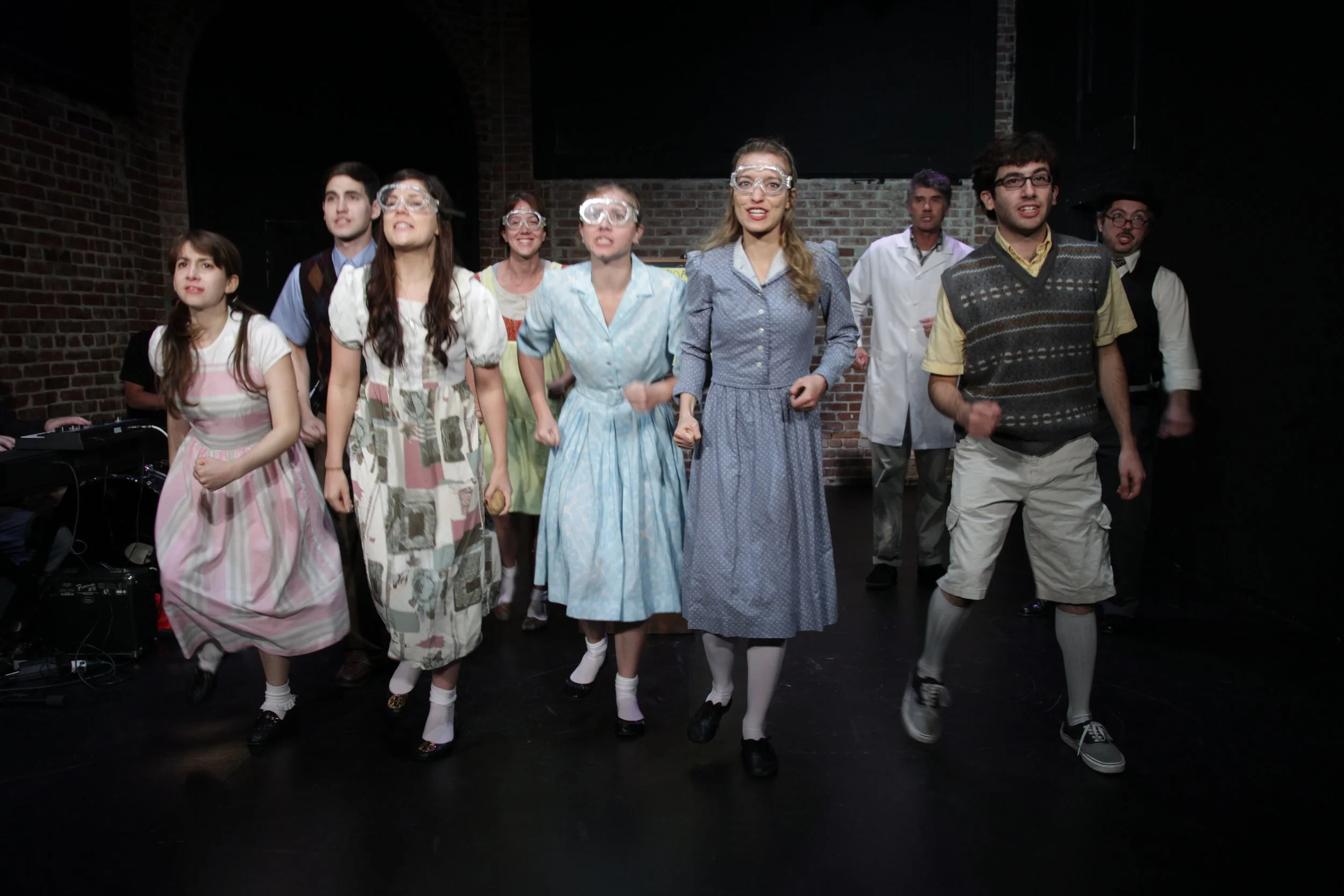
THE MILFORD PROJECT, for which I wrote the book and directed the production, and for which my dear friend Nick Martin wrote the music, with the two of us collaborating on the lyrics, is the story of the creation of the first atomic bomb. Not the one they told you about in history class, but the one built by a 13-year-old genius for a school science fair in small-town Iowa in 1937. The young scientist is beset on all sides by an overbearing father, a murderous government agent, the sudden onset of puberty, and some Nazi spies. But he sings his way through and saves the day in a truly American way, by detonating a big-ass bomb.
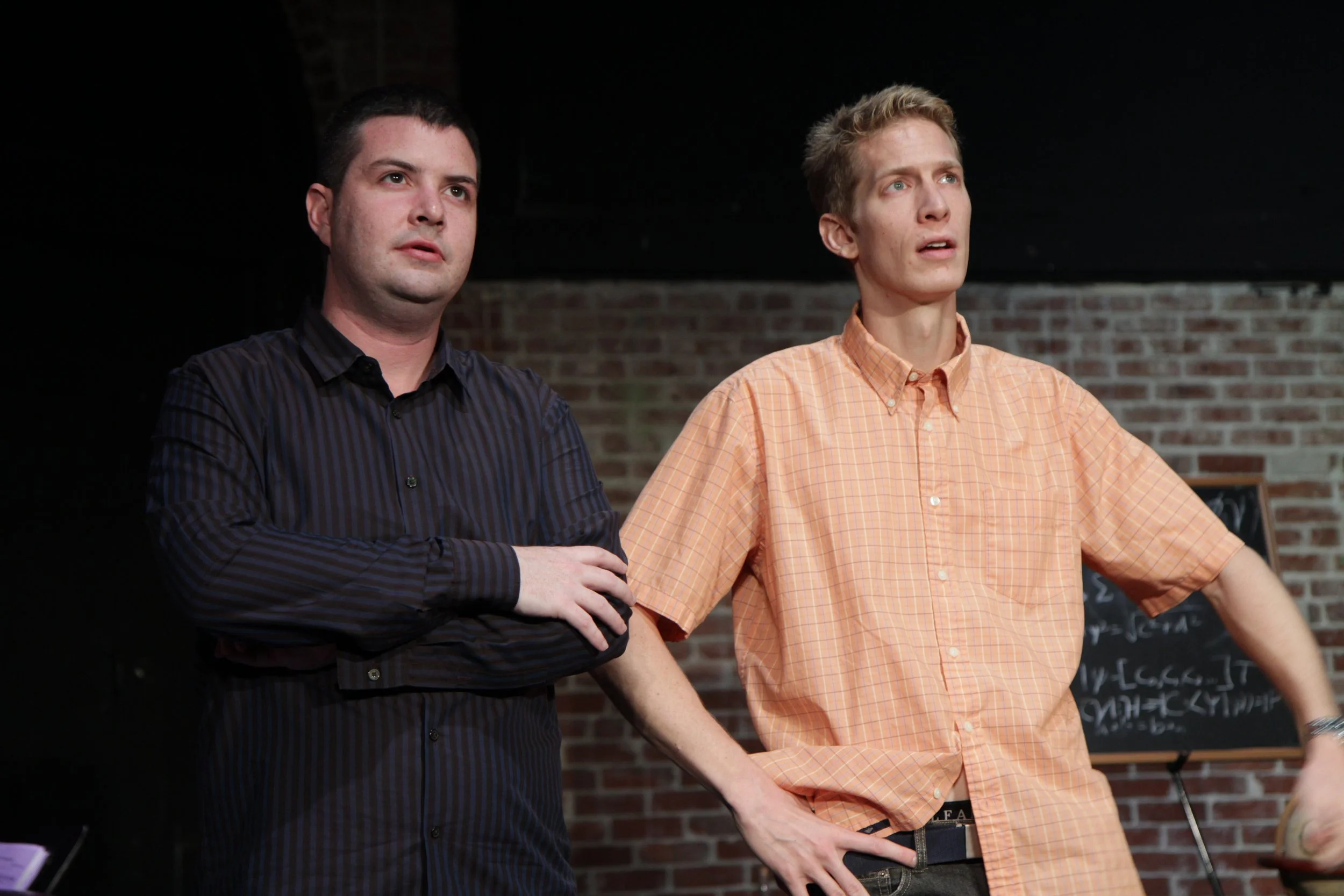
The experience of producing the play can be summed up by the concept of the bliss of ignorance. Nick and I had no idea what we were doing, right or wrong. But that al
so meant we played by no one’s rules but our own. It’s hard to express how different that experience was from writing movies and TV shows, where a script, despite being the product of months or years of work, is really only a sales document for a bigger project, intended to get actors and finance to help you out. It’s not the product, it’s a job application.

But with a play as scrappy and low-fi as Milford, and a venue booked for the Fringe, well, we knew we were putting that sucker onstage. Nick and I were always to serve as the producers, financiers, and every other major position on the show including my regrettable run as propmaster. This meant we had no help, yes, but it also meant we answered to no one. I don’t recall taking any creative feedback that didn’t make the show funnier, which is very different from writing scripts and making movies, which I almost always run through a gauntlet of trusted advisors simply to make them better sales documents. No matter what, the quality of the show we put up was always going to be on our heads alone. To date, I think it was one of the best things I’ve ever done. The comedy style is exactly what I would do if I didn’t have to please studio executives and star actors. The timing and tone of the performances is exactly how I wanted them, in collaboration with our brave cast of course, and the overall product is just so fucking funny from start to finish.
Because of all that, The Milford Project was two things: a cathartic creative experience and a glorious mess that ate and then shat out a year of my life. To be clear, I think our short sold-out run at the Hollywood Fringe Festival, which led to us being named Best of Fringe, was a success. We filled all the seats, got some good reviews, got an invite from New York Fringe, and even had the show produced at UNC Chapel Hill by a bunch of adorable college kids. But it was a messy success, with constant re-castings and re-crewings, perpetually missing funds, bad sound, the aforementioned horrible props, just so much work being juggled by two guys who really, really didn’t know what they were doing. Not in that fun way that you hear, like, the people who invented competitive skateboarding talk, how they were inventing something by the seat of their pants, I mean we didn’t know what we were doing in a way that was so embarrassing that, if I was faced with the same task today, the wisdom of my years would force me to decline the opportunity. It’s the sort of work you can ONLY do when you have no idea what you’re getting yourself into.
Nick moved out of state shortly after we wrapped the show, a fitting curtain call on his time in LA. I’m still here, texting Nick once or twice a month about some inside joke we shared from that time, which continues to define both of us, even though he’s started a real family and I’ve done far more professional work. But I still think Milford would hold up against any musical comedy I’ve seen since, even though I really don’t see myself producing it again. It was as a live theatre experience should be: pure, engaging, terrifying, and over. It’s in the past now, where it belongs, though my flawed memory revisits it daily. All this said, if you want to produce the show, I’m totally down to dust it off. That’s the thing about period pieces, they never go out of style.